Nigeria’s External Reserves Now $36.57

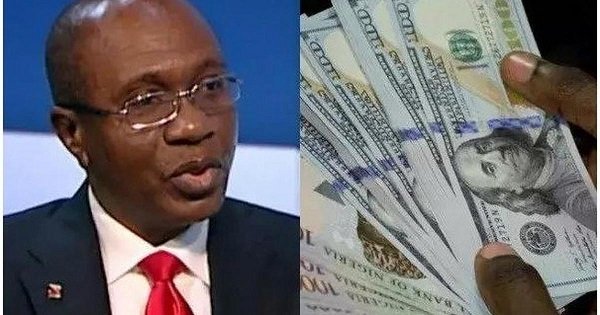
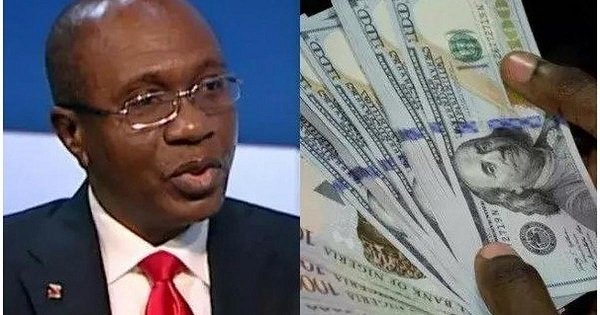
Nigeria’s external reserves now stand at $36.57 billion, having increased sharply from $33.42 billion as of April 29, 2020.

This development has given the Central Bank of Nigeria the fire power to defend the Naira exchange rate as promised by Central Bank Governor Mr. Godwin Emefiele.

The rise in the nation’s reserve can be attributed to rising oil prices and facility granted to the country by International Monetary Fund to fight COVID-19.

The reserve position will further improve when other expected facilities comes in. The recent jump in crude oil prices to about $40 have helped Nigeria’s foreign reserve to rise at a steady pace.

According to the latest data obtained from the Central Bank of Nigeria (CBN) website, Nigeria’s foreign exchange reserves now stand at $36.57 billion, having increased from $33.42 billion as of April 29, 2020.

This shows a gain of $3.15 billion dollars. This feat recorded above (rising FX reserves) has given the CBN Governor, Godwin Emefiele, more ammunition to defend the naira.

Weeks ago, the Naira had traded as high as N475 to $1. But, it sold at N446 to $ during the week. It will be recalled that the CBN Governor had warned currency speculators and hoarders to stop manipulating Nigeria’s exchange rates.

He also said that Nigerians should stop patronising?parallel market operators. According to him, the rates they are buying the dollar from that segment of the market are unrealistic.

The CBN recently re-started the weekly dollar sales of $100 million for small businesses and individuals who are in genuine need of foreign exchange.

The forward market 12-month naira forwards improved to N454.50 per dollar on Wednesday, from a high of N522.56 on April 20.

Also, the currency traded at N388 to the dollar in the spot market. The local currency has also appreciated from N460 to a dollar to N445 to a dollar in the parallel market in less than 2 weeks, not long after the Central Bank of Nigeria started selling dollars to small and medium enterprises and foreign students.

The planned resumption of dollar sales to Bureau De Change (BDCs) is expected to further help ease the pressure in the market.

Meanwhile, the Brent traded over $40 per barrel, and the Nigerian Bonny light crude also  traded almost $38 per barrel, both selling at the highest price in almost 3 months.

The oil prices are very important for Nigeria, as about 90% of its foreign exchange earnings is from crude oil sales. The foreign exchange market had been under intense pressure due to the low oil prices and the economic crisis caused by the coronavirus outbreak globally.

Nigeria’s external reserve had been badly hit, as it lost over $11 billion within a space of 10 months, crashing from its peak of $45.17 in June 11, 2019 to $33.42 in April 29, 2020.

The oil price increase has caused a rebound in the external reserve to over $36 billion as of June 1, and reduced the pressure on the Naira with improved liquidity of the foreign exchange market.


Simi And Adekunle Welcomes A Baby Girl

Popular musician, Adekunle Gold, has welcomed a baby girl with singer wife, Simisola Ogunleye popularly called Simi.

The excited music star revealed name of the baby girl as Adejare.

Announcing the birth of their daughter, Simi shared the first photo of their adorable daughter

She wrote on Instagram: “Adejare. It’s like free-falling – this unending, soul snatching, infinite, mind-boggling love. Deja, my baby girl, I got you. I promise. Now and forever. So help me God.  5.30.2020”

AFDB Approves $288.5m For Nigeria’s COVID-19 Response Programme

The Board of Directors of the African Development Bank on Friday approved a $288.5 million loan to help Nigeria tackle the COVID-19 pandemic.

The loan will also help the Nigerian government mitigate the impact of COVID -19 on people and businesses.

According to a statement from the AfDB, “the loan will bolster the government’s plans to improve surveillance and response to COVID-19 emergencies, ease the impact on workers and businesses and strengthen the social protection system.”

Nigeria, Africa’s most populous nation and the continent’s largest oil producer, is facing twin crises – a health epidemic caused by COVID-19, and an economic crunch largely occasioned by a global oil price plunge.

As of June 5, the country reported 11,516 coronavirus cases, 3,535 recoveries and 323 deaths.

The loan is the AfDB’s initial response to help mitigate the slump in oil prices and its impact on the national economy.

About 40.1% of Nigerians live below the poverty line of $1.90 per day, and it is feared that the fall in household income during the pandemic will result in wealth deterioration for both the formal and informal sector workers.

Ebrima Faal, Senior Director of the African Development Bank for Nigeria, said “the proposed programme will ensure that the fiscal position and the economy are sufficiently supported to weather the COVID-19 shocks, thereby limiting its potential adverse impact on livelihoods and the economy more generally.”

AfDB noted that prior to the COVID-19 outbreak, Nigeria’s economy was projected to grow by 2.9% of GDP in 2020 and further expand by 3.3% in 2021.

“But with the advent of the pandemic and the slump in crude prices, the economy is expected to shrink by between 4.4% under a conservative baseline scenario and 7.2% should the pandemic persist to end-2020.

Faal said that “beyond the country’s immediate economic recovery needs, the Bank and other development partners will dialogue with the government on proposals for medium-term structural reforms to diversify and boost domestic revenues away from the oil sector.”

He added that “the Bank has instituted strong fiduciary measures to monitor the use of COVID-19 funds, and will maintain dialogue, particularly with the Office of the Auditor General in Nigeria, to ensure adherence to the transparency and accountability of the funds.

Omo Agege- I Did Not Ask EFCC To Probe Akpabio

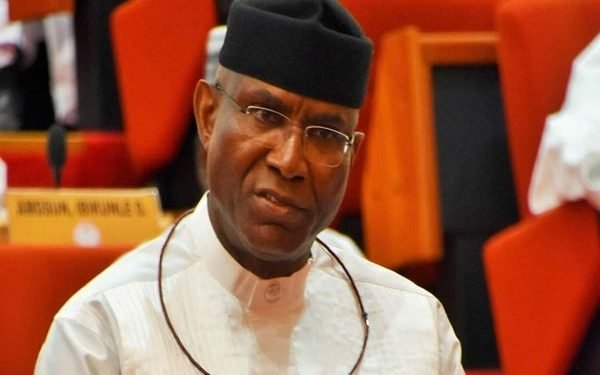
The Deputy President of the Senate, Senator Ovie Omo-Agege has denied asking the Economic and Financial Crimes Commission (EFCC) to probe the Minister of Niger Delta Affairs, Senator Godswill Akpabio.

According to Senator Omo-Agege, a letter said to have emanated from the Clerk of the Senate, acting on his behalf and requesting the acting Chairman of the anti-graft agency, Mr Ibrahim Magu, to investigate the Minister did not come from him.

Describing the document as fake, the Deputy President of the Senate, insisted that he never instructed the Clerk or any other person to contact the EFCC to investigate any individual.

A statement signed by Yomi Odunuga, special adviser, Media and Publicity, to the Deputy President of the Senate, reads: “The attention of the Office of the Deputy President of the Senate has been drawn to a letter dated 7th May, 2020, purportedly written by the Clerk of the Senate, acting on behalf of the Office of Deputy President of the Senate, requesting the Chairman of the Economic and Financial Crimes Commission (EFCC) to investigate and monitor the Honourable Minister of Niger Delta Affairs and one other.

“This Office hereby states that the said letter is false, fake, malicious, mischievous and vexatious.

“This Office never instructed the Clerk of the Senate, or in fact any person, to write to or contact the EFCC in relation to any person.

“In the light of the foregoing, we wish to urge the public to disregard the fake letter, same being the handiwork of a person or persons with criminal intents.”

GIST: Why Humans Are Buried 6 Feet Below

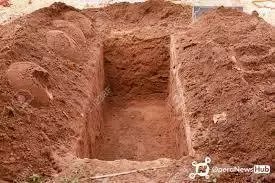
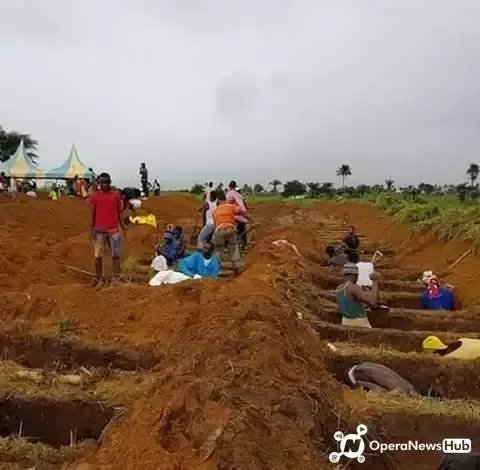
Have you ever asked yourself why Human beings are buried ‘6’ feet deep? A grave is said to be the final home for everyone, where the dead spend the rest of their “life”.

There are many theories that try to justify the origin of digging the grave ‘6’ feet under.

Here are three reasons why graves are dug ‘6’ feet deep.

1665 London plague

In 1665, the Mayor of England issued orders in London after an outbreak of plague where the dead were to be buried ‘6’ feet deep.

This was because they believed that this amount of soil was sufficient to prevent animals from digging up corpses thus prevent spreading the plague.

For safety reasons

Due to different soil conditions around the world, many think that digging a grave ‘6’ feet under; which is the maximum depth is safe.

With this depth, the sides cannot burry the digger.

The height of the grave digger

Many believed that ‘6’ feet was the maximum depth at which a grave digger could stand and still be able to scoop soil out of the grave conveniently with a spade without using a ladder or a winch.

These theories tries to justify why people are being buried 6 feet deep.